Heat Pump Repair or Replace? How to Decide in Vancouver, WA
Heat pump quit or running on backup heat? Here is how to tell a fixable part from a real replacement, and what to ask before you decide in Vancouver, WA and Clark County.
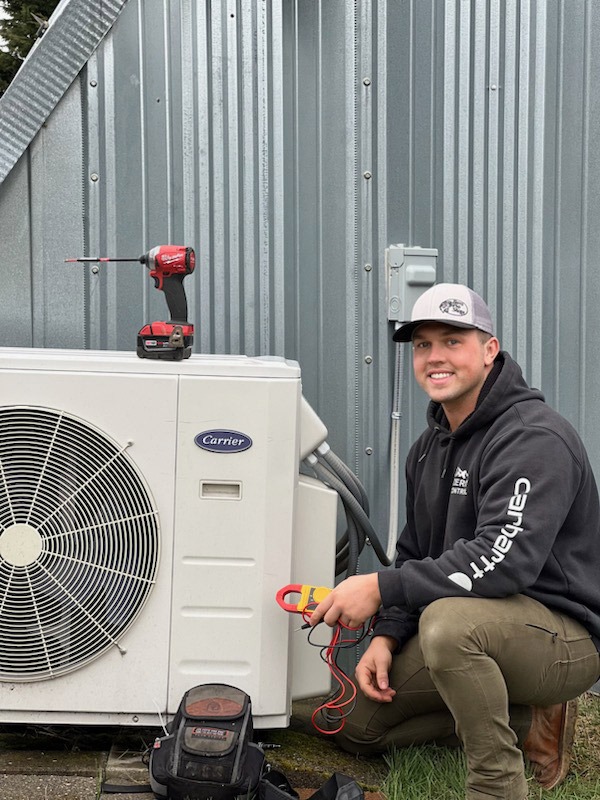
A heat pump that quits in November leaves a Vancouver, WA family with a cold house and one big question: fix it or replace it? More than half of Washington homes heat with electricity, and a winter on backup heat strips gets expensive fast. That pressure makes it tempting to say yes to the first replacement quote. The honest answer is that neither choice is right until someone has found out what actually failed.
Start with the diagnosis, not the age
Age matters, but it is only one input. A ten-year-old heat pump that stopped because of a failed capacitor is a very different problem from one with a leaking coil and a tired compressor. We look at the whole house, because we diagnose the house, not just the box: the thermostat setup, airflow and filter, duct leakage, refrigerant charge, defrost operation and how fast the home loses heat.
Be careful with anyone who names a new system before testing anything. Ask what failed, how they know, and what the repair option looks like in writing.
Signs that point toward repair
- One electrical part failed. Capacitors, contactors, fan motors and defrost controls fail on otherwise healthy heat pumps. They are testable and replaceable.
- It is a setting or a control problem. Emergency heat left on, a thermostat wired so the strips run with every call, or a bad sensor can look like a dead heat pump. Our post on why a heat pump blows cold air in winter covers the common ones.
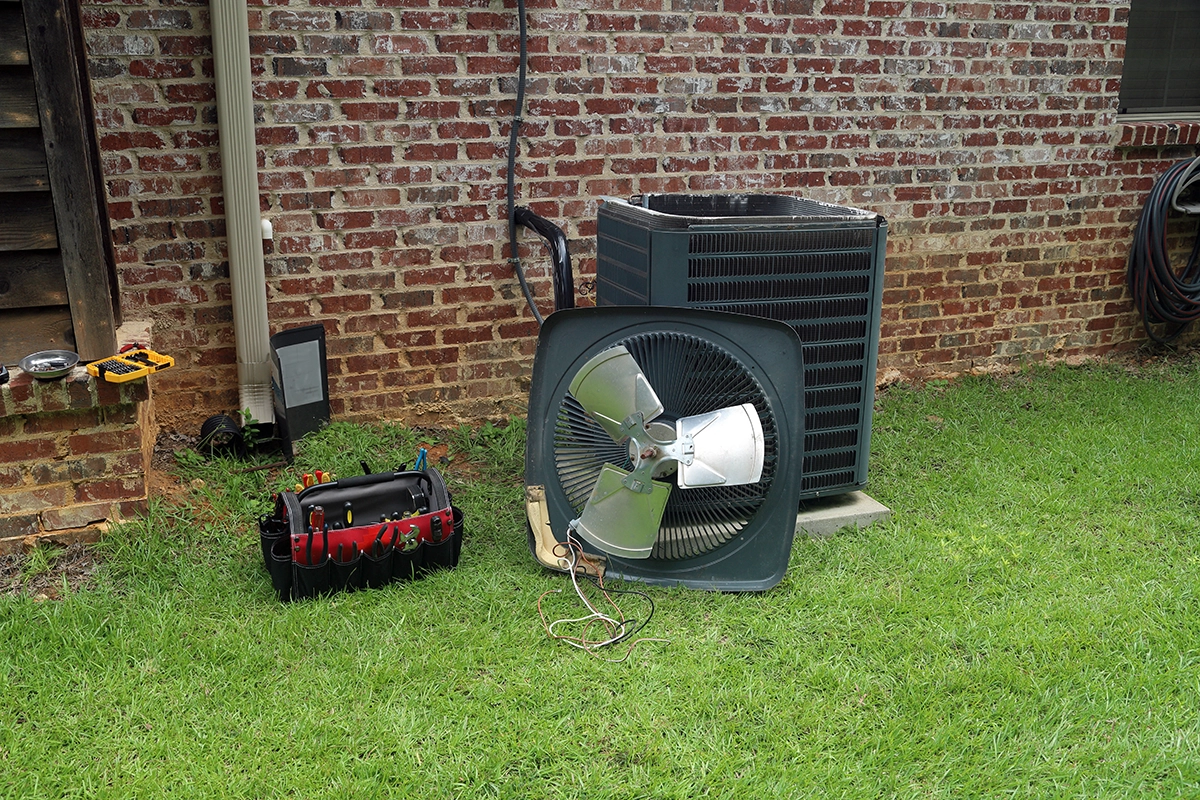
- The problem is airflow. A packed filter, blocked returns or leaves packed against the outdoor coil can make a heat pump ice up and lean on backup heat. Clearing the cause often clears the symptom.
- It worked well until this week. A system with a clean history and one new fault is usually a repair.
Signs that point toward replacement
- The compressor has failed. The compressor is the heart of the heat pump. On an older system, a failed compressor often makes replacement the better use of your money. On a newer one, it may still be under warranty, so ask.
- Repeated refrigerant leaks. A leak should be found and fixed, not topped off every fall. A recharge is not a repair. If the coil keeps leaking in new places, the repair path stops making sense.
- Repeat failures in different parts. One repair is normal. A new failure every season is a pattern.
- A working system still cannot keep up. If the heat pump is running correctly and the house is still cold, the issue may be sizing, ducts or the home itself. Replacing the unit alone will not fix that.
Questions to ask before you decide
- What exactly failed, and can you show me the reading or the part?
- What does the repair involve, and what does it leave unfixed?
- Is any of this covered by the manufacturer warranty?
- If I replace, will the ducts, thermostat and electrical work be checked, or only the box?
The same thinking applies to furnaces. Our guide on furnace repair or replace walks through the gas side of the question.
What you can check today
Set the thermostat to Heat, not Emergency Heat. Replace a dirty filter. Clear wet leaves and debris at least two feet around the outdoor unit, and make sure gutters are not dripping onto it. Light frost that clears after a defrost cycle is normal in our damp weather. Ice that keeps building is not. Small habits like these are covered in heat pump care that prevents the repeat visit.
Get the facts first
If your heat pump has stopped, is running on backup heat, or has a replacement quote attached to it, we will test it and tell you what failed before anyone talks about a new system. Sometimes the fix is a part. Sometimes it is a duct. Sometimes replacement really is the right call, and you will know why. See our heat pump repair and installation services, or call Sub Zero Temp Control at (360) 839-7670. We serve Vancouver, Camas, Battle Ground and the rest of Clark County, plus the Portland metro.
Old School Values. Modern Comfort.