Why Is My Heat Pump Blowing Cold Air in Winter?
When a Pacific Northwest heat pump blows cool air during winter, it usually comes down to normal defrost cycling, temperature perception, or a stuck reversing valve. Here is how to tell the difference.
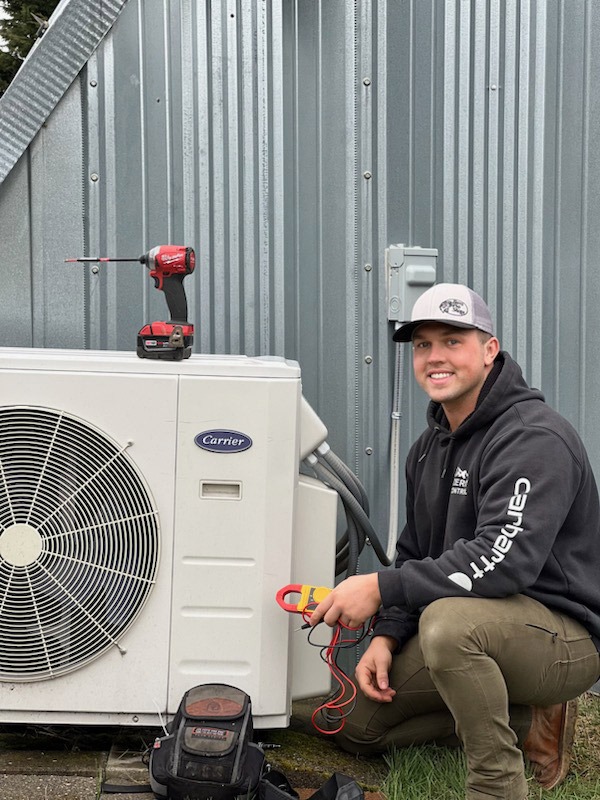
When chilly autumn and winter mornings arrive across the Pacific Northwest, one of the most common calls we get from homeowners in Vancouver WA and Clark County is simple: "My heat pump is running, but the air coming out of my vents feels cold."
Before you worry that your heating system has broken down, it helps to understand how heat pumps operate in our damp coastal climate—and when a cool breeze is completely normal versus when it signals a real mechanical fault.
1. The "Heat Pump Air Feels Cooler" Reality
Unlike a traditional gas furnace that blasts air at 120°F to 140°F, a heat pump delivers steady warmth typically between 90°F and 100°F. Because normal human body temperature is around 98.6°F, air blowing across your skin at 92°F can feel slightly cool or drafty, even though it is actively raising your room temperature. If your home is maintaining the set temperature on the thermostat, your system is likely doing its job correctly.
2. The Normal Defrost Cycle in Pacific Northwest Weather
November through February in Southwest Washington brings high humidity and temperatures hovering between 35°F and 45°F. In these conditions, moisture in the air naturally freezes onto the outdoor coil. To keep ice from choking off airflow, your heat pump automatically enters a defrost cycle every 30 to 90 minutes of compressor run time.
During a defrost cycle:
- The heat pump temporarily reverses itself into cooling mode to heat up the outdoor coil and melt the frost.
- The outdoor fan shuts off, and you may see steam rising from the outdoor unit. This is completely normal water evaporation, not smoke.
- Electric auxiliary heat strips kick on indoors to temper the air so your home doesn't feel a cold draft. If those backup strips fail or have a tripped breaker, you will feel cold air blowing through your supply vents for about 5 to 10 minutes until the defrost cycle finishes.
3. A Stuck Reversing Valve
Your heat pump uses a component called a reversing valve to switch between cooling in the summer and heating in the winter. After sitting in cooling mode all summer, a valve with a worn solenoid coil or debris in the slide mechanism can occasionally stick. When this happens, the compressor runs, but the refrigerant continues circulating in cooling mode, blowing unconditioned or chilled air into the house.
4. Restricted Airflow from Dirty Filters
Summer AC run time, fall dust, and indoor pets take a toll on return air filters. When a filter becomes clogged, airflow across the indoor coil drops sharply. This can trigger high-limit safety switches or cause improper refrigerant pressure, preventing the heat pump from transferring heat efficiently into your living spaces.
5. Thermostat Calibration and Mode Settings
Double-check that your thermostat is set firmly to HEAT mode rather than AUTO. In fluctuating autumn weather, an auto setting can cause the system to cycle between heat and AC within the same 24-hour period. Also, ensure your fan is set to AUTO, not ON. The "ON" setting runs the blower continuously even when the heat pump isn't actively generating heat, circulating room-temperature air through your ductwork.
When to Schedule a Professional Diagnosis
At Sub Zero Temp Control, we live by old-school values and modern comfort: our technicians diagnose the house and the whole system, not just the box. If your outdoor unit is completely encased in a solid block of ice, your electric bill has suddenly tripled, or the air remains cold after an hour of running, give us a call at (360) 839-7670 or explore our heat pump repair and installation services. We will test pressures, electrical components, and airflow before recommending any repairs.