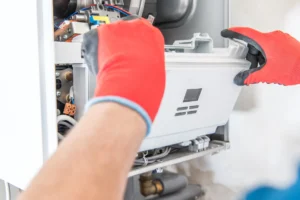

If you’ve opened your utility bill lately and thought, “why is my electric bill so high?” you’re not alone. From what we see every winter, this question comes up more than almost any other. At Sub Zero Temp Control, we hear it often from homeowners looking for answers as energy costs rise. Often, the cause isn’t one major breakdown. Instead, it’s a combination of small efficiency issues that quietly add up over time.
Although higher rates play a role, most spikes come from how your heating system operates in cold weather. Once you understand where electricity is actually going, the picture becomes much clearer.
Why Is My Electric Bill So High During the Winter Months?
Winter places more demand on heating equipment. As temperatures drop, systems simply run longer. However, runtime alone doesn’t explain everything.
In many homes, electricity use jumps because backup heat activates, airflow drops, or controls struggle to keep up. While these issues often stay out of sight, they show up clearly on your bill.
Because of that, winter is when energy inefficiencies become expensive fast.
Why Is My Electric Bill So High If My Home Feels Comfortable?
This is one of the most confusing situations homeowners face. Comfort doesn’t always equal efficiency.
Your system can maintain indoor temperature while still wasting energy. For example, restricted airflow forces equipment to run harder. Likewise, worn components increase electrical draw without obvious warning signs.
So even when rooms feel fine, efficiency issues may still be driving costs up.
Why Is My Electric Bill So High? Auxiliary Heat Is a Common Culprit If You Have a Heat Pump
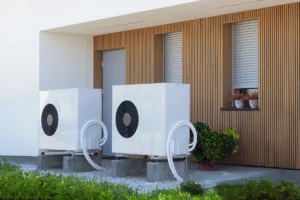
One of the biggest winter energy drains is auxiliary heat. In heat pump systems, auxiliary or backup heat relies on electric resistance elements that use far more electricity than standard operation.
Because this mode often turns on automatically, many homeowners don’t realize it’s running. When AUX heat runs frequently, electric bills often spike quickly, even during moderately cold weather.
How Heat Pumps Affect Winter Electric Bills
Heat pumps are efficient, but winter performance depends on conditions and setup. As outdoor temperatures fall, heat pumps work harder to extract warmth.
In colder stretches, systems rely more on backup heat. When that happens, electric resistance elements run longer, which causes electricity use to rise quickly.
System type can also affect winter energy behavior. For example, homes with heat pumps may see higher electricity use during cold weather than homes heated by furnaces, especially when backup heat is active.
Why Is My Electric Bill So High? Other Heating Systems Can Contribute Too
Not every home uses a heat pump, and high winter electric bills aren’t limited to one system type. Electric furnaces, baseboard heaters, and other electric heating systems can also drive up electricity use during cold weather.
These systems rely entirely on electric resistance heat, which uses more electricity than many homeowners expect. As outdoor temperatures drop, they often run longer to maintain comfort, especially in older homes or spaces with uneven insulation.
When runtime increases, small issues like airflow restrictions or control problems become more expensive, even if the system appears to be working normally.
Airflow Problems That Quietly Increase Costs
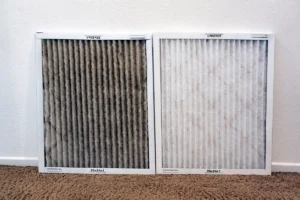
Airflow plays a major role in energy efficiency. When airflow drops, systems compensate by running longer cycles.
Dirty filters, restrictive ductwork, or closed vents all reduce airflow. Over time, that extra runtime adds up on your bill.
Choosing the correct filter also matters. Understanding air filter MERV ratings helps homeowners avoid filters that restrict airflow more than necessary.
Why Is My Electric Bill So High Even With a Newer System?
Newer equipment doesn’t guarantee low energy bills. Installation quality, system sizing, and control settings all matter.
If a system is oversized, it may short cycle. If it’s undersized, it may run constantly. Either scenario increases electric use.
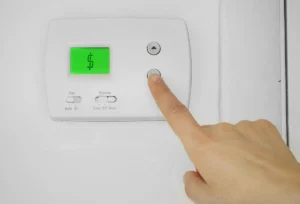
Additionally, thermostat settings and zoning issues can create unnecessary runtime. These factors often go unnoticed until bills rise.
Lifestyle Habits That Add to Winter Electric Use
Energy use isn’t only about equipment. Winter habits can increase heating demand, which directly affects how long HVAC systems run.
More time indoors means heating systems run for longer periods to maintain comfort. Portable space heaters can also increase electrical demand during colder months.
According to the U.S. Department of Energy, home heating energy use accounts for a large portion of winter utility costs, which explains why electric bills often rise during colder months.
When heating systems run longer to meet higher demand, even small inefficiencies become more expensive.
Why Is My Electric Bill So High? Small Problems Compound Over Time
Rarely is there one single cause. Instead, several small issues stack together.
Restricted airflow, backup heat usage, thermostat misalignment, and higher winter demand combine into noticeable cost increases. Because these problems develop gradually, homeowners often don’t notice until the bill arrives.
That’s why winter electric bills feel sudden, even though the causes build slowly.
When Professional Insight Makes the Difference
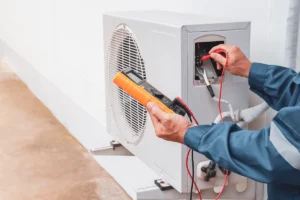
From our experience at Sub Zero Temp Control, many winter bill issues are preventable. Routine system checks catch airflow problems, control issues, and excessive runtime early.
Although DIY steps help, professional evaluation often reveals issues that aren’t obvious from the thermostat alone. Addressing those issues helps reduce unnecessary run time and protect long-term system performance.
ENERGY STAR heating and cooling efficiency recommendations also emphasize maintenance and proper system operation as key factors in controlling heating costs.
Why Is My Electric Bill So High? Final Thoughts Before You Panic
Before assuming the worst, take a step back. In most cases, the reason your electric bill is so high comes down to how HVAC systems behave under winter stress.
Once you understand where electricity goes, the numbers make sense. With the right adjustments, many homeowners see improvement quickly.
If you’d like clarity or professional guidance, a heating repair evaluation can uncover airflow issues, excessive backup heat use, or control problems that quietly drive up costs. Sub Zero Temp Control is always here to help.
Contact us today to schedule service or get straightforward answers from a local heating professional. We proudly serve Vancouver, WA, and surrounding communities with reliable heating and cooling solutions.
FAQs About High Winter Electric Bills
Understanding winter energy costs often starts with a few common questions.
Heating systems run longer in cold weather, and backup heat may activate.
Yes. Restricted airflow forces systems to run longer, using more electricity.
They can if auxiliary heat runs often or airflow is restricted.
Yes. A professional can identify airflow problems, backup heat use, and control issues quickly—especially during winter when systems work hardest.Why does my electric bill rise when it’s cold outside?
Can a dirty air filter really raise my electric bill?
Do heat pumps cost more to run in winter?
Is a professional inspection worth it if my bill suddenly spikes?