For years, R410A refrigerant was used in home AC and heat pump systems. That is why it still comes up when people are dealing with repairs, refrigerant leaks, or questions about replacing older equipment.
As newer systems begin using different refrigerants, R410A remains a common part of the conversation for people trying to understand their current system and what future repair or replacement decisions could look like.
What R410A Refrigerant Does in an AC System
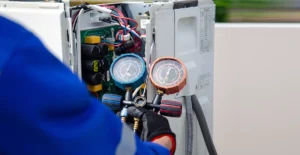
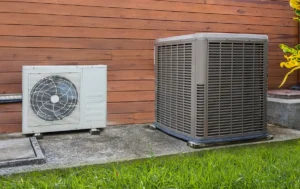
R410A refrigerant absorbs heat from inside your home and releases it outdoors as it moves through the AC system. That heat-transfer process is what allows your air conditioner to cool the house instead of just circulating air. In simple terms, refrigerant helps remove indoor heat so the system can lower the temperature.
Because of that, the refrigerant charge matters more than people realize. If the level is off, the system can lose efficiency, struggle to cool, or put extra strain on major components.
Why R410A Refrigerant Is Still a Big Topic
Many home AC and heat pump systems still use R410A. However, newer equipment is moving toward refrigerants with lower global warming potential, or GWP, as industry rules change. The EPA says certain higher-impact refrigerants are being phased down to 15% of historic baseline levels by 2036 under the AIM Act.
That does not mean every system using R410A suddenly becomes unusable. It means people are hearing more about replacements, refrigerant changes, and what those shifts could mean during future equipment replacement.
Is R410A Being Banned Right Now?
Not in the way many people think. If your current system uses R410A, that does not automatically mean you need to replace it today. In most cases, the bigger question is whether the system is cooling properly, leaking refrigerant, or nearing the point where repair costs stop making sense.
That’s also where attention starts to shift toward lower-impact refrigerants used in newer systems, including R454B and the equipment changes that come with newer standards.
Signs Your System May Have an R410A Refrigerant Issue
Low refrigerant does not usually mean the system simply “used it up.” In a properly sealed AC system, refrigerant is not consumed during normal operation. If the charge is low, it usually points to a leak, an incorrect charge, or another condition that needs testing.
Common signs include:
Longer cooling cycles
Weak cooling on hot days
Warm air from vents
Ice on the indoor coil or refrigerant line
Higher electric bills
Hissing near refrigerant lines or coils
If those symptoms sound familiar, some of the most common signs your AC needs repair tend to show up before a bigger failure follows.
What People Often Confuse With Refrigerant Problems
Not every cooling complaint points to a refrigerant problem. Several common AC issues can look similar at first.
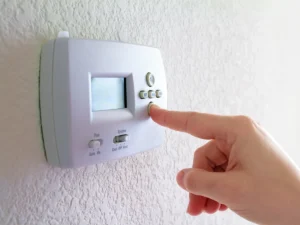
For example, a dirty coil, airflow restriction, or thermostat issue can cause weak cooling, warm airflow, or longer run times. In many homes, the bigger complaint is simply that the AC is running but not cooling the house the way it should.
In some cases, people also ask about unusual odors when they suspect a leak, so it helps to know what Freon smells like and what it does not.
R410A Refrigerant vs. “Freon”
People often use “Freon” as a catch-all term for AC refrigerant. However, the actual refrigerant in a system depends on the equipment and chemical blend used.
That difference mainly matters when your system needs service or replacement. While many people say “Freon” all the time, technicians need the actual refrigerant type to diagnose the system correctly and discuss the right repair options.
Why Maintenance Matters With R410A Systems
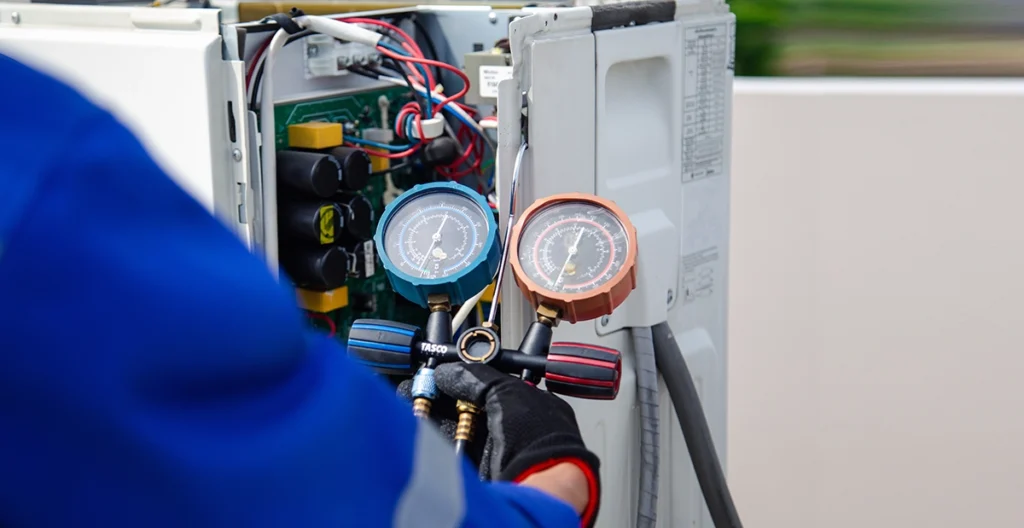
Even if your system still uses R410A, proper upkeep matters. The U.S. Department of Energy notes that a professional air conditioner maintenance visit should include checking the refrigerant charge and testing for leaks.
So, if your equipment is cooling fine now, this is still the right time to stay ahead of problems through seasonal AC maintenance that checks refrigerant charge, airflow, and leak conditions. That kind of visit is often what catches small issues before they turn into a bigger repair call.
When to Call for Help
If your system is icing up, blowing warm air, or losing cooling performance, don’t keep guessing. Refrigerant issues need proper testing, not a quick top-off and a hope-for-the-best approach. At Sub Zero Temp Control, we diagnose the full system so you get real answers instead of repeat problems.
If you need help in Vancouver, WA or one of the surrounding areas, contact Sub Zero Temp Control for trusted service and straightforward recommendations. Whether you need maintenance, leak testing, or AC repair, we’re here to help you make sense of R410A refrigerant and what it means for your system.
FAQs About R410A Refrigerant
Here are a few quick questions we hear often from customers.
R410A refrigerant is a type of AC refrigerant used in many older air conditioning and heat pump systems. It helps your system remove heat from inside your home so it can cool properly.
R410A refrigerant is being phased down in newer equipment as refrigerants with lower global warming potential become more common. However, that does not mean every current R410A system must be replaced right away.
Not necessarily. If the system is cooling well and is in good condition, replacement may not be needed yet. Age, repair history, and efficiency matter more.What is R410A refrigerant?
Is R410A refrigerant being phased out?
Should I replace my AC if it uses R410A refrigerant?