When homeowners ask “what is forced air heating?” they usually want a clear explanation without the technical overload. At Sub Zero Temp Control, we have this conversation often during inspections and winter service calls. Although forced air systems are extremely common, most people don’t realize how many parts work together to keep their home comfortable. Once you understand how the system moves and controls heat, the benefits — and trade-offs — make much more sense.
What Is Forced Air Heating?
At its core, forced air heating is a system that warms air and distributes it through ductwork using a blower fan. That heated air travels through supply vents and into each room. Cooler air then returns through return vents to be reheated.
Because air is actively moved, these systems heat homes faster than many alternatives. Instead of slowly warming floors, walls, or radiators, forced air delivers heat directly into the living space.
How Forced Air Heating Systems Work
To better understand what forced air heating is, it helps to look at the process step by step.
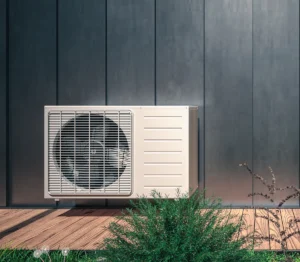
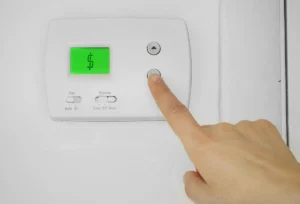
First, the thermostat calls for heat. Next, the furnace or heat pump generates warmth. Then, the blower pushes air across the heating source and through the duct system. Finally, that air circulates throughout the home before returning to repeat the cycle.
Because this happens continuously, temperature adjustments feel almost immediate. As a result, forced air systems respond well to changing comfort needs.
Key Components Inside a Forced Air System
Several parts must work together for proper operation:
Furnace or heat pump
- Heat exchanger (in furnace-based systems)
Blower motor
Air filter
Ductwork
Thermostat
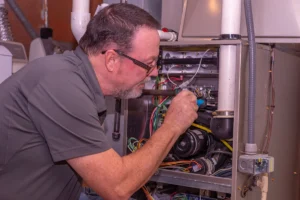
One of the most critical components is the heat exchanger. It safely transfers heat to the air without exposing your home to combustion gases. When we explain system operation, we often reference how the furnace heat exchanger works and why cracks or failures can create serious safety concerns.
Benefits of Forced Air Heating for Homeowners
From what we see at Sub Zero Temp Control, forced air systems offer flexibility that other systems can’t always match.
One big advantage is how quickly it heats a home. It also shares ductwork with central air conditioning, which simplifies system design. On top of that, forced air supports add-ons like air cleaners, zoning controls, and humidifiers.
Additionally, parts and service expertise are widely available. Because these systems are so common, repairs tend to be more straightforward. Over time, that accessibility can reduce ownership costs.
According to the U.S. Department of Energy, furnaces and boilers remain the most common residential heating systems, with furnaces distributing heated air through ductwork that is commonly used for central air conditioning as well.
Comfort and Indoor Air Quality Considerations
Another important aspect of forced air heating involves indoor comfort beyond temperature.
Because air constantly circulates, filtration plays a major role. Clean filters help capture dust, pollen, and other airborne particles.
However, that same constant airflow can dry indoor air during winter heating. That’s why many homeowners choose to add a whole-home humidifier. In fact, installing a humidifier on the furnace helps restore moisture, reduce static electricity, and ease dry skin and sinus irritation during colder months.
According to the EPA, maintaining proper indoor humidity levels during winter helps improve comfort and indoor air quality by reducing dryness and associated discomfort.
Common Misconceptions About Forced Air Systems
Some people believe forced air heating is noisy or inefficient. In reality, modern systems are much quieter than older models. When noise occurs, airflow restrictions or worn components are usually the cause.
Others assume uneven heating is unavoidable. However, most comfort issues stem from duct design, insulation gaps, or maintenance problems — not the heating method itself.
Is Forced Air Heating Right for Most Homes?
In many cases, forced air heating is an excellent fit. Homes with existing ductwork benefit the most. It also works well for homeowners who want both heating and cooling from one distribution system.
At Sub Zero Temp Control, we always evaluate the full setup before recommending upgrades. Sometimes adjustments or maintenance solve comfort or performance concerns. Other times, system improvements make more sense.
When to Talk With a Professional
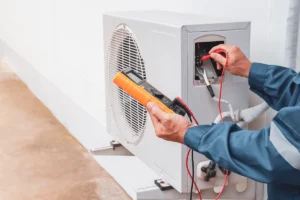
If you’re still unsure what forced air heating is, or how well your system is performing, a professional evaluation helps. Rising energy bills, uneven temperatures, or unusual noises are often early warning signs.
If you have questions or need service, contact Sub Zero Temp Control. We’re always happy to walk homeowners through their options and explain things clearly.
Frequently Asked Questions
Below are quick answers to common questions homeowners ask us.
It heats air and uses a fan to distribute that air through ducts and vents.
Yes, especially when systems are maintained and ductwork is properly sealed.
Yes. They support filtration, humidifiers, and other air quality accessories.
Yes. Many homes in the Vancouver, Washington area rely on forced air systems for winter comfort.What is forced air heating in simple terms?
Is forced air heating energy efficient?
Can forced air systems improve indoor air quality?
Are forced air systems common in Vancouver, WA?