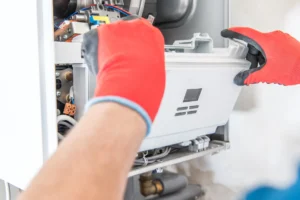

When homeowners ask us about heat pumps, the conversation is usually balanced. On one hand, efficiency sounds appealing. On the other, the disadvantages of a heat pump deserve a clear, honest explanation. At Sub Zero Temp Control, we believe informed homeowners make better long-term decisions. Because of that, we’re upfront about both benefits and limitations before anyone invests.
Although heat pumps work well in many homes, they aren’t a perfect fit for everyone. Understanding the real-world drawbacks helps set expectations early and prevents frustration later.
Disadvantages of a Heat Pump Compared to Traditional Systems
Heat pumps don’t create heat the same way furnaces do. Instead, they move heat from one place to another. Because of that, performance can vary based on climate, home design, and system setup.
According to the U.S. Department of Energy, heat pump performance changes as outdoor air temperatures drop, which helps explain longer run times and reduced comfort.
This operating difference doesn’t make heat pumps unreliable. However, it does represent one of the most common disadvantages of a heat pump in colder or variable climates.
Another concern involves upfront costs. Although energy savings exist, initial installation often costs more than standard systems. Over time, that difference may balance out depending on climate, energy rates, and system use.
Disadvantages of a Heat Pump in Cold Weather
Cold weather is where the disadvantages of a heat pump become most noticeable. As outdoor temperatures fall, heat extraction becomes harder. Because of that, the system may struggle to maintain indoor comfort.
In colder climates, heat pumps frequently rely on backup heating. That’s where electric resistance heat comes in. Unfortunately, resistance heat uses significantly more electricity. As a result, winter energy bills can rise quickly.
If you’re unsure whether your home even uses this technology, it helps to first learn how to know if you have a heat pump before evaluating performance concerns.
How Auxiliary Heating Adds to the Disadvantages of a Heat Pump
Auxiliary heat, often called emergency or backup heat, supports the system during extreme cold. However, it’s one of the most expensive heating methods available.
Because aux heat uses electric resistance, energy consumption spikes fast. Even short periods of use can noticeably increase monthly bills. That’s why we often explain auxiliary heat when homeowners question winter costs.
While aux heat protects comfort, it also highlights one of the core disadvantages of a heat pump in colder regions.
Disadvantages of a Heat Pump for Long-Term Maintenance
Maintenance plays a bigger role than many homeowners expect. Since heat pumps provide both heating and cooling, they run year-round. As a result, wear happens faster.
Compared to single-purpose systems, heat pumps contain more components. That means more parts to inspect, service, and eventually replace. Over time, maintenance costs can add up.
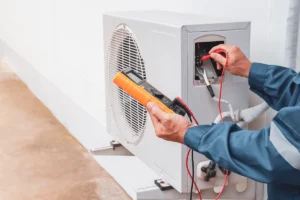
Regular service helps reduce breakdowns. That’s why we recommend staying ahead with professional heat pump maintenance to preserve efficiency and system life.
Efficiency Isn’t Always as Simple as It Sounds
Efficiency ratings look great on paper. However, real-world performance depends on installation quality and home conditions. Poor insulation, duct issues, or improper sizing can reduce expected savings.
Additionally, electricity rates vary nationwide. In areas with high electric costs, operating expenses may exceed expectations. That’s why savings aren’t guaranteed for every household.
At Sub Zero Temp Control, we always explain these variables before recommending any system.
Disadvantages of a Heat Pump for Older Homes
Older homes often lack proper insulation or duct design. Because of that, heat pumps may struggle to deliver even temperatures.
Retrofitting insulation or ductwork increases overall project cost. While upgrades improve comfort, they also extend the payback period. For some homeowners, that tradeoff doesn’t make financial sense.
Industry guidance on energy retrofits in older homes shows how insulation, air-sealing, and HVAC upgrades often need to be coordinated to improve performance.
In these cases, alternative heating solutions may perform better without extensive modifications.
Noise and Comfort Concerns
Heat pumps generally operate quietly. However, outdoor units can be more noticeable during heating mode, especially during defrost cycles or extended operation.
Defrost cycles temporarily reverse system operation. During that time, cool air may briefly enter the home. Although normal, this can surprise many homeowners.
Understanding these operational quirks helps prevent unnecessary service calls.
When the Disadvantages of a Heat Pump May Outweigh the Benefits
Every home is different. For some, the disadvantages of a heat pump are minor. For others, they’re deal-breakers.
If your area experiences long, harsh winters, energy costs may climb. If electricity prices are high, savings shrink. And if your home needs upgrades, upfront costs rise.
That’s why our team at Sub Zero Temp Control focuses on honest system matching, not one-size-fits-all solutions.
Should You Still Consider a Heat Pump?
Despite the drawbacks, heat pumps remain a strong option for many homes. In moderate climates, efficiency gains are real. With proper installation, comfort can be excellent.
However, understanding limitations upfront prevents disappointment later. When homeowners know what to expect, satisfaction improves long term. That’s why choosing professional heat pump installation matters just as much as the equipment itself, especially when climate and home design affect performance.
If you’re weighing your options, talking through system suitability with a professional helps clarify next steps.
Final Thoughts on the Disadvantages of a Heat Pump
Choosing the right heating system is a long-term decision. The disadvantages of a heat pump don’t make it a bad choice, but they do require careful consideration. At Sub Zero Temp Control, we believe transparency builds trust. If you want guidance tailored to your home, contact us to discuss your options with experienced professionals. We proudly serve homeowners throughout Vancouver, WA, and the surrounding communities.
Frequently Asked Questions About Heat Pumps
Below are quick answers to common questions homeowners ask when researching heat pumps.
Heat pumps can struggle in extreme cold, especially without proper auxiliary heat support.
They often require more frequent maintenance since they operate year-round.
Most systems last 10–15 years with regular professional maintenance.
Yes. In regions such as Vancouver, WA, and similar climates, heat pumps often perform efficiently due to moderate winter temperatures.Are heat pumps bad in cold climates?
Do heat pumps cost more to maintain?
How long does a heat pump last?
Do heat pumps work well in mild coastal climates like the Pacific Northwest?