When homeowners hear the term permanent split capacitor, it usually comes up during a repair discussion or system inspection. From our perspective at Sub Zero Temp Control, this component quietly supports comfort without drawing attention. Although most people never see it, it plays a key role in how HVAC motors start, run, and stay stable. Once you understand what it does, many system behaviors become easier to explain.
What a Permanent Split Capacitor Actually Does
A permanent split capacitor (PSC) is a type of run capacitor used in many residential HVAC motors. Its purpose is to create a controlled phase shift in electrical current. That shift allows the motor to start smoothly and continue running efficiently.
Unlike start capacitors, this component stays engaged during operation. Because of that, it helps maintain consistent motor speed. As a result, airflow remains steady and predictable.
From what we see at Sub Zero Temp Control, homeowners often notice comfort improvements when the motor is operating as designed, even if they’re not aware of the electrical component behind it.
Why Permanent Split Capacitor Motors Are Still Used
Despite the availability of newer motor technologies, this design continues to appear in many residential HVAC systems.
Reliability Matters in Everyday Systems
Motors built around a permanent split capacitor remain common because they’re dependable. They rely on basic electrical principles rather than advanced electronics. That simplicity often leads to fewer surprises over time.
Although newer motor technologies exist, many furnaces and air handlers still use this design. It works especially well in systems intended for steady, single-speed operation.
Cost and Serviceability
Another reason these motors remain popular is affordability. They’re generally less expensive to install and easier to service. For homeowners, that often means lower repair costs and clearer answers.
How Motor Design Affects Airflow and Safety
Motor performance directly influences airflow through the system. When airflow stays within design range, heat exchangers and coils operate safely.
However, reduced airflow can cause safety responses. That’s why we often explain how airflow problems relate to components like the furnace pressure switch. When airflow isn’t right, the system may shut down to protect itself.
In systems using a permanent split capacitor, motor consistency is especially important for maintaining proper airflow.
Common Permanent Split Capacitor Motor Symptoms
When this type of motor begins to struggle, the signs are often subtle at first and easy to overlook.
Early Warning Signs
Issues rarely appear all at once. Instead, symptoms tend to build gradually. Systems may take longer to start. Motors might hum briefly. Airflow may feel weaker.
Eventually, the system may stop responding entirely.
Why Problems Can Feel Electrical
In some cases, shutdowns feel like control failures. Homeowners may assume the thermostat isn’t working. During diagnostics, we often rule out situations that resemble a thermostat that isn’t getting power before identifying motor-related causes.
Comparing Permanent Split Capacitor Motors to ECM Motors
Permanent split capacitor motors operate at fixed speeds. ECM motors, short for electronically commutated motors, adjust speed electronically based on system demand.
While ECM motors offer higher efficiency, they also cost more to replace. PSC motors remain simpler and easier to diagnose. That balance explains why both designs are still widely used.
At Sub Zero Temp Control, we help homeowners choose motor designs that match their system needs rather than defaulting to one technology over another.
Maintenance and Long-Term Performance
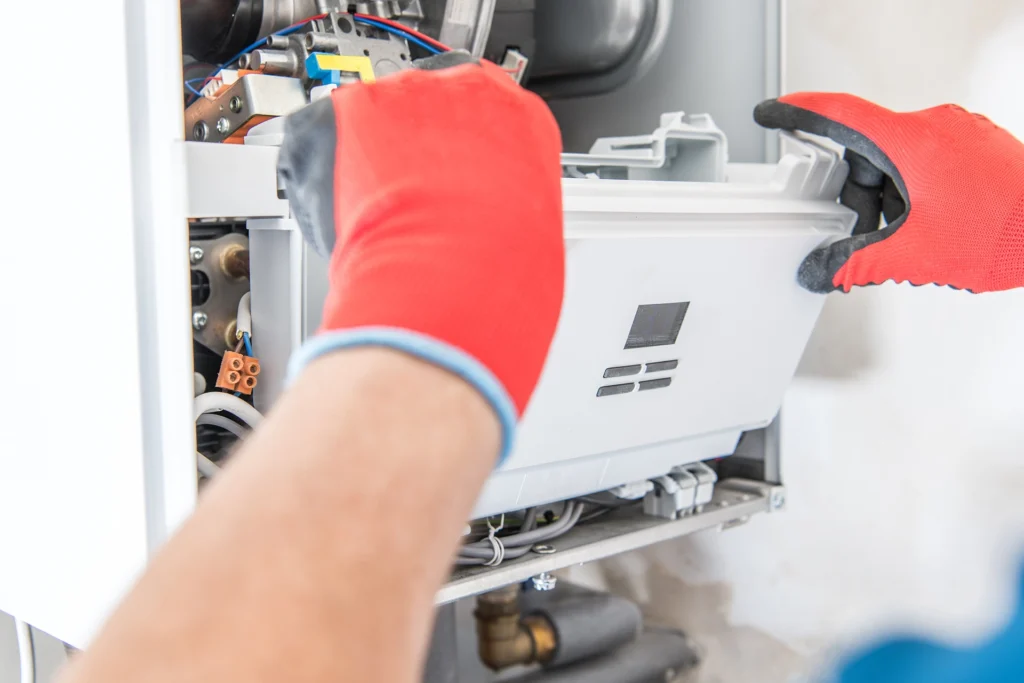
Electrical components experience heat stress over time. During routine service, we test motor operation and capacitor output as part of professional heating repair when system performance comes into question. This helps catch issues early.
Proper airflow is a core part of HVAC efficiency, and even basic maintenance guidance from the U.S. Department of Energy emphasizes keeping air moving correctly across system components.
ENERGY STAR also highlights how clean filters, sealed ducts, and routine inspections help heating and cooling systems operate more efficiently.
Preventive care protects comfort and system longevity.
When Replacement Makes Sense
Sometimes replacement is unavoidable. When readings fall outside safe ranges, replacing the component restores normal operation quickly. In many cases, it’s one of the most cost-effective HVAC repairs available.
If you notice airflow changes or unusual motor noise, contact Sub Zero Temp Control. Early diagnosis often prevents larger problems.
Final Thoughts
Understanding how a permanent split capacitor supports motor operation helps homeowners make confident decisions. While it’s a small part, it plays a meaningful role in comfort, efficiency, and reliability. With proper maintenance, systems using this design can operate smoothly for years.
If your HVAC system shows signs of airflow trouble or inconsistent operation, reach out to Sub Zero Temp Control. For homeowners in and around Vancouver, WA, our team is ready to help when expert service is needed.
FAQs About Permanent Split Capacitor Systems
Homeowners often ask a few quick questions. Here are answers we commonly share.
It helps motors start smoothly and run at a steady speed.
Yes. Reduced airflow can trigger safety responses.
Most last between five and ten years.
Seasonal heating and cooling demands can increase electrical stress.What does a permanent split capacitor do in HVAC systems?
Can this component cause a furnace to shut down?
How long do these capacitors usually last?
Do HVAC systems in Vancouver, WA wear faster?