
Most homeowners know their ductless system keeps rooms comfortable, yet many don’t realize how much mini split maintenance impacts performance. At Sub Zero Temp Control, we work on these systems every day, and we’ve seen how small issues grow when routine care gets skipped. Because mini splits run year-round in many homes, they need consistent attention to stay efficient and reliable. Although they’re designed to operate with less energy than traditional HVAC units, they still collect dust, moisture, and debris over time. When that happens, airflow drops, comfort slips, and energy use rises.
Why Mini Split Maintenance Matters
Mini splits rely on heat pump technology, which means they heat and cool through the same refrigerant process. When filters or coils get dirty, the system strains and runs longer than necessary. That creates higher utility bills, and it can shorten the lifespan of the compressor. The U.S. Department of Energy notes that heat pump systems work best when airflow is unobstructed and coils remain clean. Because most mini splits don’t use ductwork, all the airflow passes directly through the indoor air handler, so dust and moisture tend to build up faster than in most traditional systems. Regular care prevents that, and it keeps each zone working the way it should. Because mini splits use the same core technology as heat pumps, many homeowners find our heat pump maintenance guide helpful for understanding how refrigerant, coils, and defrost cycles affect performance.
Mini Split Maintenance Tasks Homeowners Can Handle
Some parts of mini split maintenance are simple. Homeowners can remove and rinse the filters every few weeks, especially if they use the system often. Light vacuuming around the indoor unit also helps keep dust away from the coil. These small steps support efficiency, and they keep odors from forming in the air handler. While these tasks help, professional service still matters because deeper cleaning requires specialized tools.
How Professional Service Works
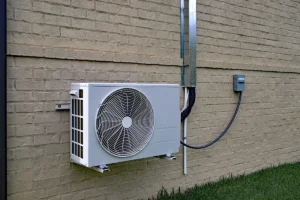
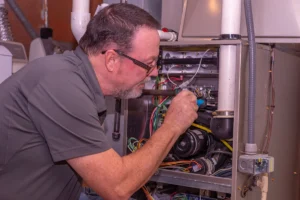
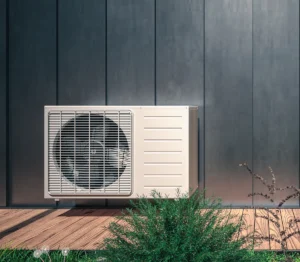
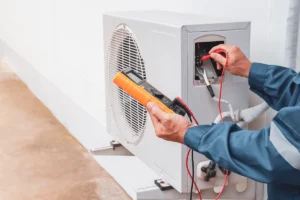
During a professional visit, a technician inspects the entire system. They clean the indoor coil, wash the blower wheel, flush the drain line, and confirm the refrigerant levels. They also check electrical components and test the defrost cycle if the system operates in colder months. Because mini splits use inverter-driven compressors, technicians verify that the outdoor unit responds correctly to zone demands. This level of detail helps prevent long-term issues that homeowners may not notice until the system struggles.
Mini Split Maintenance and Common Performance Problems
Many mini split problems start with skipped maintenance. Weak airflow usually comes from a dirty blower wheel. Musty odors often begin when moisture stays trapped inside the air handler. Water leaks usually point to a clogged drain line. Each of these issues ties back to cleaning and inspection. Although mini splits are known for reliability, they work best when maintained twice a year. Consistent care also helps homeowners avoid emergency repairs and sudden system failures.
For a deeper look at system-wide maintenance and long-term HVAC care, you can explore our full HVAC maintenance guide.
How Often Mini Split Maintenance Should Be Done
Mini splits need attention more often than many homeowners expect. Because the indoor unit pulls air directly from the room, dust builds up quickly. Filters should be cleaned every few weeks, and professional mini split maintenance should be done at least once a year. However, homes that rely on their units daily or run multiple zones often benefit from twice-yearly service. Seasonal weather shifts can also affect system performance, and NOAA offers reliable seasonal safety and preparedness guidance.
Care Recommendations for Different System Types
Many homeowners wonder whether maintenance changes between ducted and ductless mini split systems. The core care is similar, yet ductless units need more frequent cleaning on the indoor air handler because all the airflow passes directly through that head. Ducted mini splits, on the other hand, include short duct runs that may need periodic inspections to confirm airflow and check for leaks. Because fully ductless systems don’t use ductwork at all, they avoid that step entirely.
If you’re comparing the two styles, our ducted vs. ductless mini split guide explains how each configuration works and what homeowners should expect. And if you’re unsure whether your current system is sized correctly, our mini split sizing guide breaks down how capacity affects comfort and overall performance.
What to Expect During a Service Visit
When you schedule mini split maintenance with Sub Zero Temp Control, we complete a detailed inspection that goes far beyond filter cleaning. We check each indoor air handler, confirm that the blower wheel and evaporator coil are clean, and make sure the drain line can move moisture without backing up. Our technicians also test refrigerant pressures, electrical components, communication signals, and the outdoor inverter system. These steps help prevent uneven temperatures, noisy operation, long run cycles, and early wear on major parts.
We walk you through anything we find and share simple ways to keep your system steady between visits. Mini split maintenance may look straightforward, yet proper service protects efficiency, reduces long-term repair costs, and keeps your home comfortable in every season.
Mini Split Maintenance From a Company You Can Trust
Because mini splits use advanced components, you want a team that understands the details. At Sub Zero Temp Control, we treat every system as if it were installed in our own home. We check airflow, coil condition, refrigerant charge, and electrical performance. We also confirm that insulation around the line set remains secure, which protects the system from unnecessary heat loss. And as always, we share practical tips so you can keep your equipment running well all year.
If you’re ready to schedule mini split maintenance, contact us today. We proudly serve Vancouver, WA and the surrounding areas with reliable care and a commitment to keeping your home comfortable.
FAQs About Mini Split Maintenance
Below are quick answers to common questions about caring for these systems.
Most systems need professional maintenance once a year, though heavy-use homes benefit from twice-yearly care.
A musty smell often points to a dirty coil or trapped moisture. Cleaning prevents this issue.
You can clean filters and remove light dust, but deeper cleaning requires professional tools for safety and effectiveness.
It can. Systems in cooler regions may need defrost cycle checks more often, especially near Vancouver, WA.How often should I schedule mini split maintenance?
Why does my mini split smell musty sometimes?
Can I perform mini split maintenance myself?
Does mini split maintenance differ in colder climates like the Pacific Northwest?