If you’ve ever wondered how mini splits work, you’re not alone. We hear this question often from homeowners exploring modern heating and cooling options. At Sub Zero Temp Control, we’ve installed, serviced, and maintained these systems for years. Because of that, we’ve seen how understanding the way mini splits work helps people make confident decisions. Let’s break it down clearly, without jargon, and explain what actually happens when these systems run.
How Do Mini Splits Work Compared to Traditional Systems?
To understand how mini splits work, it helps to compare them to central HVAC systems. Traditional systems rely on ductwork to move air. Mini splits, however, deliver conditioned air directly into each room.
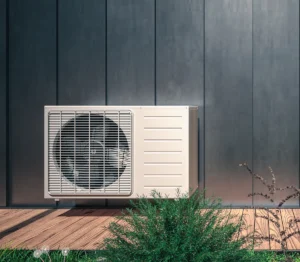
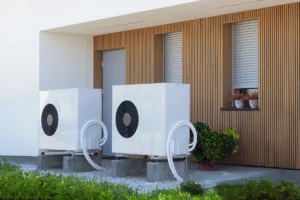
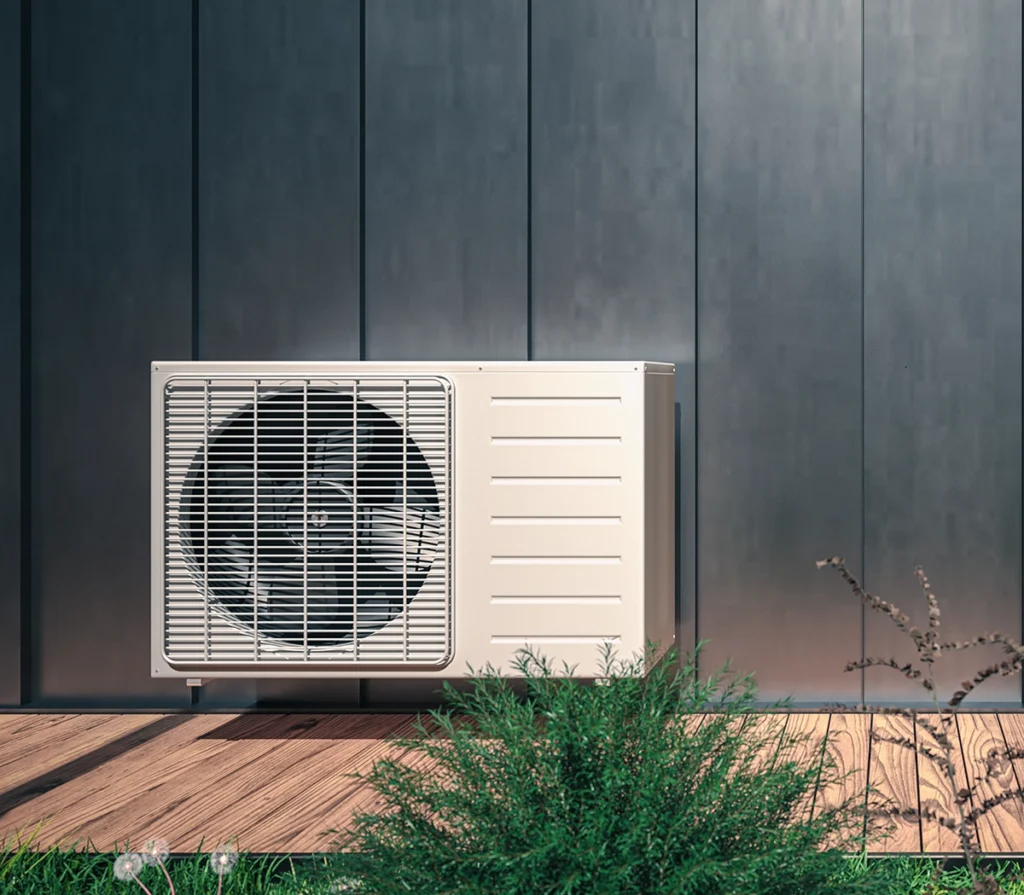
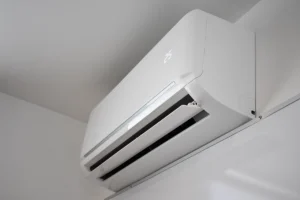
Instead of one large unit, mini splits use two main parts. There’s an outdoor condenser and one or more indoor air handlers. These components connect through refrigerant lines and wiring.
Because there are no ducts, energy loss drops significantly. As a result, mini splits often feel more responsive and efficient. This ductless design is one reason they’ve grown in popularity nationwide.
How Do Mini Splits Work to Heat and Cool a Space?
At their core, the way mini splits work comes down to heat transfer. They don’t create heat in the traditional sense. Instead, they move heat from one place to another.
In cooling mode, the system pulls heat from inside air and moves it outdoors through refrigerant lines. In heating mode, the process reverses, allowing the system to pull heat from outdoor air, even in cold weather.
This process relies on a heat pump cycle, which moves heat between spaces rather than generating it. The U.S. Department of Energy explains how this transfer process allows heat pump systems to provide both heating and cooling using the same equipment.
Because mini splits are a type of heat pump, proper sizing and setup matter, which is why professional heat pump installation and replacement options play such an important role in long-term performance.
Key Components That Explain How Mini Splits Work
Understanding how mini splits work also means knowing the parts involved. Each component plays a specific role.
Indoor Air Handlers
These mount on walls, ceilings, or floors. They deliver conditioned air directly into the room. Because of that, comfort feels immediate and targeted.
Outdoor Condenser
This unit houses the compressor and condenser coil. It handles heat exchange and refrigerant circulation.
Refrigerant Lines
These insulated lines connect indoor and outdoor units. They move heat instead of large volumes of air.
Together, these parts create a quiet, efficient system. In our experience, this simplicity often means fewer airflow complaints.
How Do Mini Splits Work With Zoning Control?
One major advantage of mini splits is zoning. Each indoor unit operates independently. That means different rooms can have different temperatures.
For example, one room can cool while another stays neutral. This flexibility improves comfort and reduces wasted energy. Homeowners often notice more precise, room-by-room temperature control almost immediately.
Because of zoning, system sizing becomes especially important. Once you understand how mini splits operate, the next logical step is figuring out what size mini split you need for your home.
How Mini Splits Work and Why Efficiency Matters
Efficiency is a big reason people research mini splits. These systems often achieve high SEER (seasonal energy efficiency rating) and HSPF (heating seasonal performance factor) scores. Because most mini splits are ductless, they avoid duct leakage, which reduces energy loss common in traditional systems. The U.S. Department of Energy notes that this ductless design is one reason mini-split heat pumps can deliver heating and cooling so efficiently.
Over time, this efficiency can help stabilize utility bills. Many homeowners also appreciate the quieter operation.
Are There Any Downsides to How Mini Splits Work?
While learning how mini splits work, it’s also important to understand limitations. No system is perfect for every situation.
For instance, upfront costs can be higher. Additionally, wall-mounted units may not match every design preference. That’s why we often recommend reviewing the disadvantages of mini splits before committing.
Knowing both sides helps homeowners avoid surprises later.
How Do Mini Splits Work Over the Long Term?
Long-term performance depends on care. Even though mini splits are efficient, they still require attention.
Filters need cleaning. Coils need inspection. Drain lines need to stay clear. Over time, it becomes obvious why mini split maintenance matters.
From what we see in the field, consistent maintenance protects efficiency and extends system life. It also helps catch small issues early.
What to Expect in Everyday Use
In real-world use, mini split performance often feels different than expected. Rooms condition faster, and temperatures stay more consistent from space to space. Noise levels also drop noticeably, especially compared to ducted systems.
Because airflow is delivered directly into each room, comfort feels more controlled instead of generalized across the entire home. Homeowners often notice fewer hot and cold spots and quicker response to thermostat adjustments.
That everyday experience is a big reason ductless systems continue gaining traction nationwide.
Choosing the Right Professional for Installation
Even though the concept behind how mini splits work is straightforward, installation is not a DIY task. Proper sizing, placement, and refrigerant charging matter.
At Sub Zero Temp Control, we approach installations with system balance in mind. That attention helps ensure the system performs as designed from day one.
If you’re considering ductless heating and cooling, reaching out for professional guidance makes the process much smoother.
Final Thoughts
By now, you should have a clear picture of how mini splits work and why they’ve become so popular. They move heat efficiently, provide zoned comfort, and operate without ducts. When designed and maintained properly, they offer reliable, long-term performance.
If you’re exploring ductless options and want expert input, Sub Zero Temp Control is here to help. If you have questions or want help deciding whether a mini split is right for your home, contact us to schedule a consultation. We proudly serve homeowners in and around Vancouver, WA.
FAQs About Mini Splits
Understanding how systems operate often leads to a few common questions. Here are quick answers we hear most often.
They pull heat from outdoor air using heat pump technology, even at low temperatures.
It depends on the home. Ductless systems reduce energy loss and allow zoning.
With proper care, many systems last 15–20 years.
Yes. Their efficiency and zoning work well for the region’s climate.How do mini splits work in cold climates?
Do mini splits work better than central air?
How long do mini split systems usually last?
Are mini splits popular in the Pacific Northwest, like Vancouver, WA?