When cold weather settles in, one of the first complaints homeowners share with us at Sub Zero Temp Control is how dry the air feels indoors. Even well-sealed homes struggle to hold moisture once the heat runs for hours. That’s when many people start considering whether they should get a humidifier on the furnace. Because it’s installed directly into the HVAC system, it adds balanced moisture to every room without constant refilling. I’ve seen firsthand how much more comfortable homes feel once humidity levels stabilize, especially during long winter stretches.
Why a Humidifier on the Furnace Makes Such a Difference
When the air gets too dry, it affects almost everything in the home. Winter dryness has a lot to do with how the atmosphere handles moisture. Cold air simply can’t hold as much water vapor as warm air. The National Weather Service explains that relative humidity drops as outdoor temperatures fall, and that shift is one of the main reasons homes feel so uncomfortable once the heat runs all day. Lower moisture levels indoors make dry skin, static electricity, and throat irritation much more noticeable.
Although those symptoms seem minor, they’re all connected to low relative humidity. A humidifier on the furnace, also known as a whole-house humidifier, helps restore moisture as warm air moves through the ducts, creating a softer and more comfortable indoor environment.
Humidity doesn’t just improve comfort—it also supports better indoor air quality. The U.S. Environmental Protection Agency explains that proper humidity helps support overall indoor air quality, and it can make the air feel warmer at lower temperatures. Because of that, many homeowners actually use less energy during winter once humidity stabilizes.
How a Humidifier on the Furnace Works
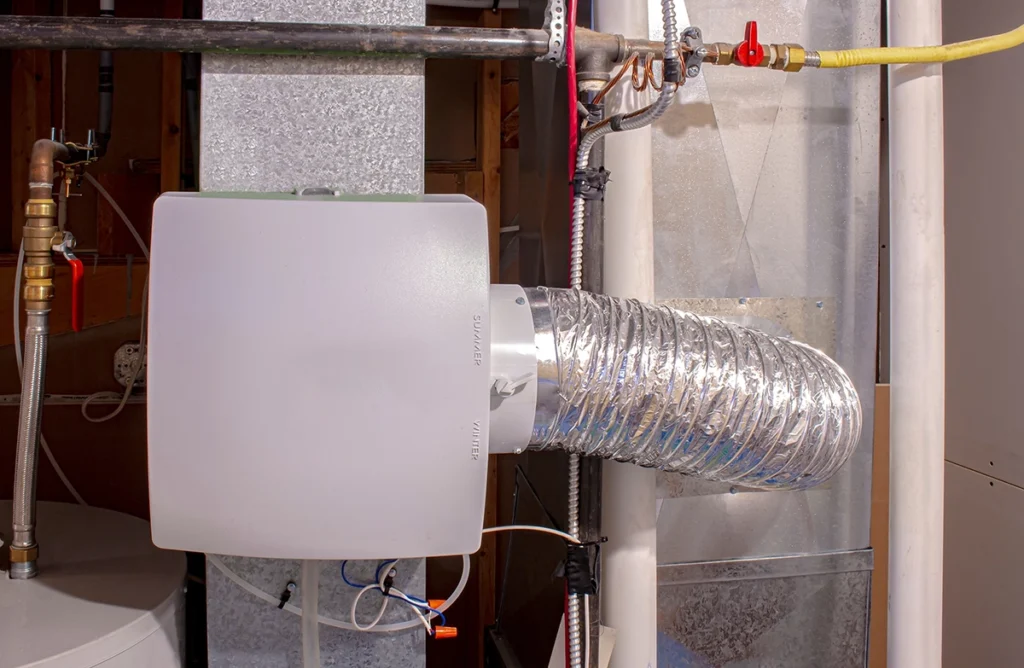
A humidifier on the furnace taps into the supply duct, adding moisture as heated air passes through. Most whole-home units rely on either a water panel or a steam generator. The humidifier activates when the furnace runs, producing moisture that rides along with the warm air.
Types of whole-home humidifiers
Even though they all add humidity, each style behaves differently:
Bypass humidifiers use the furnace’s airflow to distribute moisture
Fan-powered humidifiers include a blower to increase output
Steam humidifiers create humidity quickly and work well in very dry climates
The best type depends on the home’s heating system, duct design, and winter dryness level.
Benefits You’ll Notice Right Away
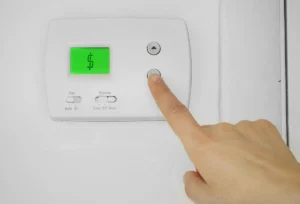
A humidifier offers several improvements that homeowners appreciate quickly. For example, wood floors and furniture react better to balanced humidity, and indoor plants perk up almost overnight. Because the air feels warmer with more moisture, you can often drop the thermostat slightly without feeling colder. That change alone helps lower heating costs during winter.
It’s also easier to breathe when humidity stays in a healthy range. Many people notice reduced sinus irritation and fewer early-morning dry throat symptoms once we install a humidifier on the furnace and set it to an appropriate level.
When to Consider a Humidifier on the Furnace
If you constantly experience dry air from November through March, a built-in humidifier is often the simplest long-term solution. Since it connects directly to your HVAC system, you get consistent humidity without daily refilling or dragging portable units from room to room. Additionally, whole-house humidifiers distribute moisture more evenly than standalone humidifiers can.
Many people ask whether they really need a humidifier or if a dehumidifier might make more sense. That’s why we often recommend reading our guide comparing humidifiers vs dehumidifiers, especially if moisture levels vary throughout the year and you want to understand which device helps in which season.
How It Compares to Other Indoor Air Quality Tools
Humidity is only one part of indoor comfort. Air quality also depends on filtration. When people ask whether they should choose an air purifier instead, we usually explain that both tools do completely different things. A purifier removes particles, while a humidifier adds moisture. If you’d like to learn the difference in more detail, our breakdown of air purifiers vs humidifiers explains how they complement each other.
Maintenance Tips for a Humidifier on the Furnace
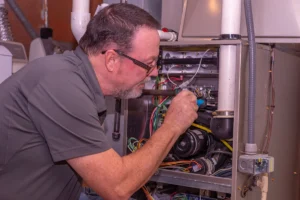
A furnace-mounted humidifier needs seasonal upkeep to run properly. Most homeowners can replace the water panel once per heating season, but the internal cleaning and inspection should be handled by a professional. A tech will check the water line, drain system, and solenoid valve to make sure everything is running safely and efficiently. Even small issues—like mineral buildup—can create blockages or moisture problems if they’re not caught early.
Signs your humidifier needs attention
Here are a few symptoms we see often:
The humidity feels uneven from room to room
The unit makes unusual noises
You notice water puddling near the furnace
A musty smell appears in the duct area
When these signs show up, a quick inspection usually solves the problem. At Sub Zero Temp Control, we troubleshoot humidifiers every winter, and most issues begin with neglected filter pads or blocked drains. If your system needs a closer look, our heating repair team also handles furnace and humidifier maintenance to keep everything running smoothly.
Is a Humidifier on the Furnace Right for You?
If your home deals with persistent dry air each winter, or if you’re tired of refilling portable units, a whole-home system is usually worth the upgrade. It improves comfort, lowers winter irritation symptoms, and runs quietly in the background. A humidifier on the furnace delivers moisture right where you need it — through the warm air that already moves throughout your home.
For personalized help, contact Sub Zero Temp Control. We can inspect your system, recommend the best humidifier style, and handle the installation so everything works smoothly. We proudly serve homeowners in Vancouver, WA and the surrounding areas.
FAQ Section
Before wrapping up, here are answers to questions homeowners ask most about furnace-mounted humidifiers.
Most homes need a new panel once per heating season, though heavy winter use may require a mid-season change.
It usually does the opposite because balanced humidity helps rooms feel warmer at lower thermostat settings.
Yes. Winters here are cool and often dry indoors, so whole-home humidifiers help maintain a healthier moisture balance.
It may help by reducing dryness, though an air purifier handles allergens more effectively.How often should I replace the water panel in a humidifier on the furnace?
Can a humidifier on the furnace increase my energy bill?
Is a humidifier better for winter homes in Vancouver, WA?
Can a humidifier on the furnace reduce allergy symptoms?