
A dual fuel heat pump is one of the smartest heating upgrades for homeowners who want efficiency and cold-weather performance. We’ve seen more people ask about them over the last couple years, especially as energy costs keep shifting. At Sub Zero Temp Control, we install and service these systems regularly, and when they’re matched correctly to the home, they deliver excellent comfort and control.
So let’s break it down clearly: what it is, how it works, what it costs, and what to watch out for.
What Is a Dual Fuel Heat Pump?
A dual fuel heat pump (also called a hybrid heat system) combines two heat sources:
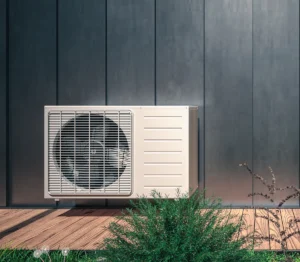
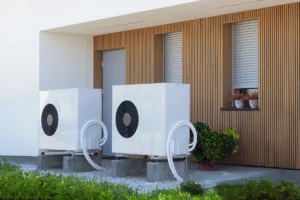
An electric heat pump (your primary heating most of the season)
A gas furnace (your backup heating when it gets colder)
Instead of relying on only one heating method, the system automatically chooses the most efficient option based on outdoor temperature and performance.
The U.S. Department of Energy describes dual-fuel (hybrid) systems as a setup where the heat pump handles milder temps, while the furnace takes over in colder weather.
How a Dual Fuel Heat Pump Works (Simple Explanation)
A dual fuel system usually runs like this:
Mild weather: heat pump runs efficiently
Cold weather: system switches to the gas furnace
Smart thermostat/controls: decide when the changeover should happen
That switch point is called the changeover temperature (or balance point). It’s not “one-size-fits-all.” It depends on:
your insulation
the heat pump’s capacity
duct design
your comfort preferences
utility rates (electric vs gas)
Pros of Dual Fuel Heat Systems (Why Homeowners Love Them)
Because a dual fuel system uses two heat sources, it gives you more flexibility as outdoor conditions change. In milder weather, the heat pump can usually handle heating efficiently. Then, once temperatures drop lower, the system can switch to gas heat for stronger output and steadier comfort. In other words, you’re not stuck relying on one fuel source all season—you’re letting the equipment choose what works best based on real conditions (and that usually means better comfort without wasting energy).
Lower Heating Costs (In the Right Conditions)
Heat pumps can be very efficient during moderate outdoor temperatures. Because of that, a dual fuel system often saves money by using the heat pump when it’s cost-effective, then switching to gas heat once efficiency drops.
More Comfort During Cold Snaps
Gas heat tends to feel warmer and recover faster when temperatures drop. So, it can keep comfort steadier during cold stretches.
Built-In Backup Heat
If one heat source has an issue, the other can sometimes keep the home warm until service is completed. (Backup heat is like a spare tire—you don’t think about it until you really need it.)
Cons of Dual Fuel Heat Systems (What You Should Know Upfront)
A dual fuel system isn’t perfect for every home. Here are the biggest downsides.
Higher Upfront Cost
You’re essentially paying for:
a heat pump system
furnace compatibility or replacement
dual fuel controls and thermostat setup
So yes, the initial investment is higher than “just replacing the furnace.”
More Complexity = More Things to Set Up Correctly
Dual fuel systems have more “brains.” If the changeover temp isn’t dialed in properly, you may get:
higher bills
short cycling
comfort swings
This is why proper setup matters as much as the equipment.
Not Ideal for All-Electric Goals
If your goal is to go fully electric and remove gas from the home, a dual fuel setup may not be the best long-term fit.
Dual Fuel Heat Pump Cost: What to Expect
The price varies wildly depending on your home and what you’re upgrading. However, a dual fuel system is typically more expensive than:
a straight furnace replacement
a straight AC replacement
even some standard heat pump installs
Cost depends on:
whether you already have a gas furnace
ductwork condition
thermostat/control requirements
equipment efficiency ratings
installation complexity
Also keep in mind: rebates and tax credits can apply in some cases, especially for high-efficiency heat pumps.
Dual Fuel Heat Pump vs Auxiliary Heat: Don’t Confuse Them
This is one of the most common misunderstandings we hear.
A dual fuel heat pump is a system that heats your home two different ways: it runs as a heat pump most of the time, and then it switches to a fuel-burning furnace (often natural gas) when outdoor temperatures get too low for efficient heat pump operation.
Now, here’s where people get tripped up: many thermostats display “AUX” when the system uses an extra heat source to help warm the home. With a standard heat pump system, that extra heat is often provided by electric heat strips. In a dual fuel setup, the backup heat source is usually a fuel-burning furnace instead, not electric strips.
So the takeaway is this: dual fuel uses a fuel-burning furnace as backup, while AUX heat usually refers to electric heat strips. Both help when the heat pump can’t keep up, but they work very differently.
If you’ve ever seen “AUX” show up and wondered what it means in real-world terms, our AUX heat guide explains when it’s normal—and when it can hint at a performance problem.
Dual Fuel Heat Pump vs Emergency Heat (EM Heat)
Another key point: Emergency Heat isn’t the same thing as dual fuel.
Dual fuel is the normal way the system operates—switching automatically between the heat pump and the backup furnace when needed. Emergency Heat, on the other hand, is usually a manual thermostat setting that tells the system to stop using the heat pump and run only the backup heat.
In other words, EM Heat is basically “backup heat only.” In a dual fuel setup, that backup is typically the fuel-burning furnace, not electric heat strips.
If your thermostat ever shows EM HEAT, it’s worth understanding what triggered it and whether it was turned on manually. Our guide explains what EM Heat means, when it’s okay to use, and when it can point to a problem.
Is a Dual Fuel Heat Pump Worth It?
In our experience, a dual fuel system is worth it when:
you want lower heating costs most of the season
you still want strong heating during cold weather
you have reliable gas service
you prefer comfort stability over “all electric no matter what”
It’s also a strong fit for homes that already have a decent furnace but need a better cooling system.
If lowering winter bills is your main goal, it helps to pair smart equipment with home efficiency upgrades—Consumer Reports has a strong breakdown of ways to cut home heating costs, including weatherizing steps like sealing drafts and improving insulation.
Thermostat Settings Matter More Than You’d Think
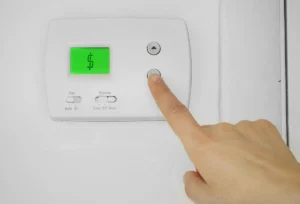
A dual fuel system only works well if the thermostat and controls are set up correctly. You need a compatible thermostat, the right lockout temperatures, and clean changeover logic so the system switches at the right time.
If any of that is off, performance can drop fast. Comfort suffers, efficiency drops, and the system may switch fuels at the wrong time. (And yes—your utility bill will notice.)
Dual Fuel Heat Pump Maintenance Tips (Don’t Skip This)
Just because the system is efficient doesn’t mean it’s maintenance-free.
A dual fuel heat pump still needs typical heat pump maintenance:
regular filter changes
coil cleaning
condensate drain checks
electrical inspections
If you want a simple checklist and real-world tips, our heat pump maintenance guide breaks down what to do seasonally—and what we see most often on service calls.
Quick note: the “little stuff,” like filters and drains, causes way more breakdowns than most people expect.
Final Thoughts: Is a Dual Fuel Heat Pump Right for You?
A dual fuel heat pump can be one of the best comfort-and-efficiency upgrades available—as long as it’s designed correctly and set up with the right controls. It gives you efficient heating for most of the year, plus stronger backup heat when temperatures drop.
And in places where the weather swings quickly, that flexibility can make a big difference in both comfort and energy costs.
If you’re planning an upgrade, we offer heat pump installation and replacement and can walk you through your options. When you’re ready, contact us at Sub Zero Temp Control. We serve Vancouver, WA and the surrounding areas.
FAQs (Quick Answers)
Here are a few fast answers to common questions we hear about hybrid heating systems:
What is a dual fuel heat pump system?
It’s a system that uses a heat pump for primary heating and a gas furnace as backup heat.
When does a dual fuel system switch to gas heat?
It switches when outdoor temps drop or efficiency decreases, based on the changeover setting.
Is dual fuel cheaper than running a furnace only?
Often yes, because the heat pump handles mild temps efficiently and reduces furnace runtime.
Does a dual fuel heat pump still cool the home?
Yes. The heat pump also functions as your air conditioner in cooling season.