Electric Furnace Blowing Cold Air? What to Check in Vancouver, WA
An electric furnace can run for hours and still leave the house cool. Here is how it makes heat, the common reasons part of that heat drops out, what a homeowner can safely check, and when to call.
Most furnace advice online is written for gas. But plenty of homes in Vancouver, WA and across Clark County heat with an electric furnace, and it fails in its own way. There is no flame, no pilot and no gas valve. When an electric furnace runs but the air feels cool, the cause is almost always electrical or airflow related.
How an electric furnace makes heat
Inside the cabinet is a bank of heating elements, a lot like oversized toaster coils. A blower pushes house air across them. The elements do not all switch on at once. Small relays called sequencers bring them on in stages, a few seconds apart, so the home's electrical panel is not hit with the full load at the same moment. Safety limit switches shut an element off if it gets too hot.
That staging is why an electric furnace can be half broken. If one or two elements stop working, the blower still runs and the air is still slightly warm. The house just never catches up on a cold night.
Common reasons it blows cool air
- One tripped breaker. Many electric furnaces are fed by two or more breakers. If one trips, the blower can run while part of the heat is dead.
- A failed heating element. Elements break with age. The furnace keeps running on the ones that are left, with less heat.
- A stuck or failed sequencer. If the relay does not close, its element never turns on. If it sticks closed, an element can stay hot when it should be off.
- A limit switch that keeps opening. This usually points to low airflow: a clogged filter, closed registers or a duct problem.
- Thermostat set to fan On. The blower runs between heating cycles and moves unheated air. Set the fan to Auto.
- A heat pump problem. In many homes the electric furnace is the indoor half of a heat pump system and acts as backup heat. Cool air may be a heat pump issue and not an element issue.
What you can safely check
- Thermostat on Heat, fan on Auto, set a few degrees above room temperature.
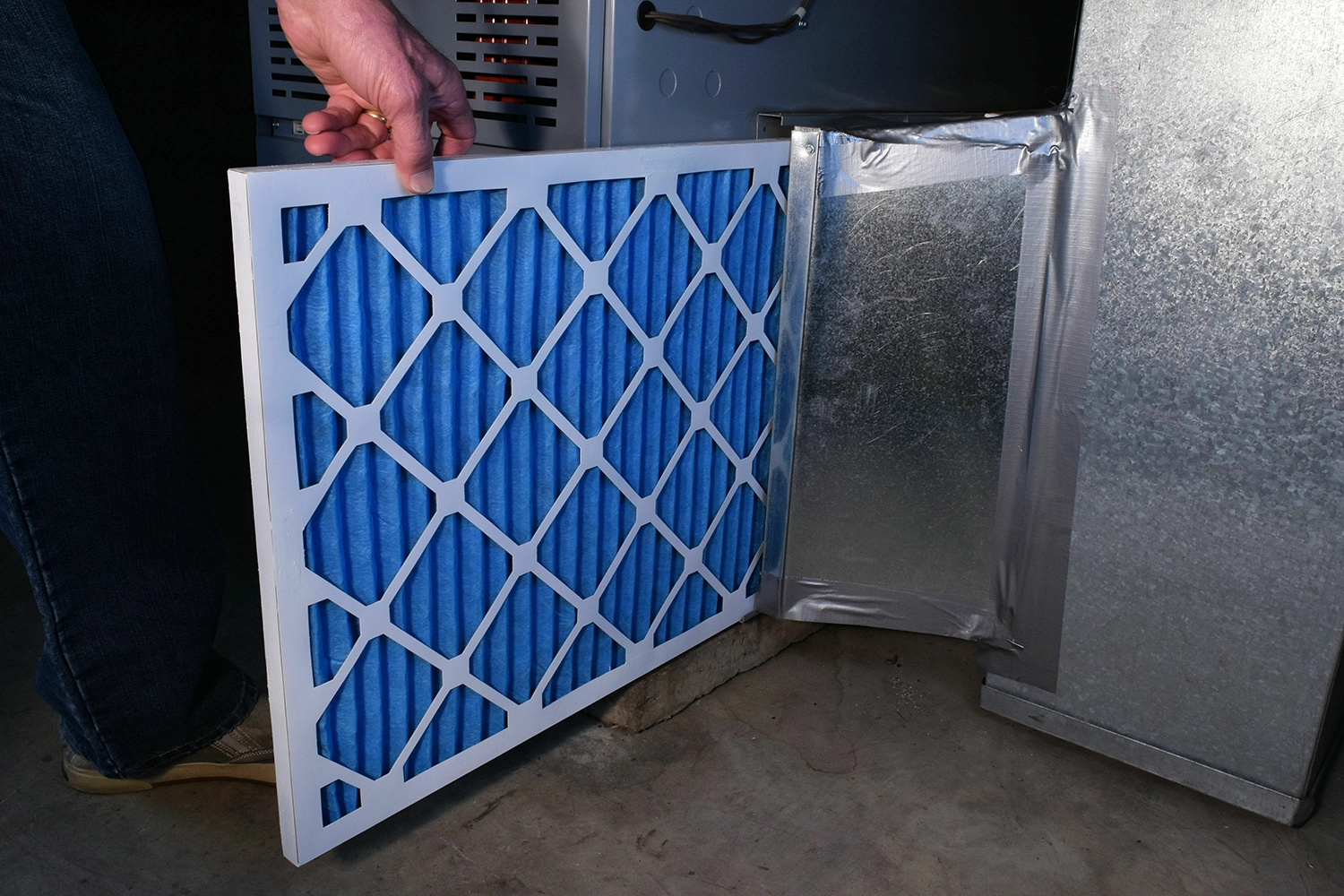
- The filter. If you cannot see light through it, replace it. Here is how often to replace a furnace filter.
- Supply registers and return grilles open and not blocked by furniture or rugs.
- The breakers labeled furnace or air handler. A tripped breaker can be reset once.
If a breaker trips again, leave it off. A breaker that will not hold is doing its job, and something behind it is drawing too much current. Do not open the furnace cabinet. Electric furnaces run on 240 volts and parts inside can stay live even when the thermostat is off.
Our general checklist, Heater Not Working: What to Check Before You Call, covers the rest of the basics.
Signs it is time to call
- A burning smell that does not fade after the first run of the season.
- A breaker that trips more than once.
- The furnace runs for hours and the house stays cool.
- The air stays hot or the blower keeps running after the thermostat is satisfied.
- A power bill that jumped with no change in how you use the house. See why a winter electric bill spikes.
How we diagnose it
A proper visit is measurement, not guessing. We check the voltage coming in, the amp draw of each heating element, the sequencers and limit switches, and the temperature rise across the furnace. Then we look at airflow, because a furnace that keeps tripping its limits often has a duct or filter problem and not a bad part. That is what we mean by diagnosing the house, not just the box.
Most electric furnace repairs are a single part. If the unit is old and several parts are failing, we will tell you plainly and walk through the options, including whether a heat pump makes sense for the home. Our guide on furnace repair or replace explains how we think about that choice.
If your electric furnace is running and the house is still cold, call Sub Zero Temp Control at (360) 839-7670 or see our furnace repair service in Vancouver, WA.