When homeowners ask about the air filter MERV rating, they’re usually trying to balance cleaner air with reliable HVAC performance. From our day-to-day work at Sub Zero Temp Control, this question comes up constantly. Filters look simple, yet the wrong choice can quietly restrict airflow or reduce comfort. Because of that, understanding how MERV ratings work helps you protect both indoor air quality and your heating and cooling system.
Simply put, an air filter MERV rating measures how effectively a filter captures airborne particles. However, higher isn’t always better. The goal is choosing a rating that fits your system, your home, and your comfort needs.
What an Air Filter MERV Rating Actually Means
MERV stands for Minimum Efficiency Reporting Value. This scale typically ranges from 1 to 16. The higher the number, the smaller the particles the filter can trap.
Lower MERV filters catch large debris like dust and lint. Meanwhile, higher MERV filters capture pollen, mold spores, and some bacteria. Because of that, MERV ratings are often tied directly to allergy concerns and respiratory comfort.
However, increased filtration also increases resistance. That’s where homeowners need to slow down and choose carefully.
Air Filter MERV Rating Levels Explained Simply
Understanding ranges makes the decision easier.
MERV 1–4: Basic protection. Mostly large dust particles.
MERV 5–8: Better everyday filtration for most homes.
MERV 9–12: Captures finer particles like pet dander and pollen.
MERV 13–16: Hospital-grade filtration with higher airflow resistance.
At Sub Zero Temp Control, we often recommend MERV 8–11 for residential systems. That range usually balances air cleanliness and system performance well.
How Air Filter MERV Ratings Affect Airflow and CFM
This is where the topic often gets oversimplified. While a higher air filter MERV rating improves filtration, it can also reduce airflow. Air still needs to move freely through the system.
That’s why airflow is measured in CFM, or cubic feet per minute. If airflow drops too low, systems work harder and efficiency suffers. Understanding what CFM is helps homeowners see why filter choice matters. Air quality and airflow always work together.
From our experience at Sub Zero Temp Control, airflow problems tied to an overly restrictive MERV rating often surface first during AC repair calls, where comfort issues point back to filtration rather than major component failure.
When a Higher MERV Rating Can Cause Problems
Higher isn’t always safer. In fact, restrictive filters can create real issues.
Blower motors strain under resistance
Heat exchangers overheat
Evaporator coils may freeze
Utility bills quietly rise
Although high-MERV filters sound appealing, they’re not universal solutions. Systems must be designed to handle them.
Choosing the Right Air Filter MERV Rating for Your Home
So how do you choose correctly? Start with your system design, not marketing claims.
Homes with pets, mild allergies, or average dust levels usually benefit from mid-range filters. Meanwhile, homes with specific health concerns or advanced ventilation may require higher ratings, but only after professional evaluation.
From our experience at Sub Zero Temp Control, the safest choice is the one your system can support long-term.
Air Filter MERV Rating and HVAC Maintenance Go Hand in Hand
Filtration isn’t a one-time decision. Even an air filter with the right MERV rating fails if it’s clogged or forgotten.
That’s why filter selection naturally ties into ongoing HVAC maintenance. Regular inspections ensure airflow stays balanced as filters collect debris. Additionally, maintenance visits allow technicians to spot early signs of stress caused by restrictive filters.
In other words, clean air depends on consistent care, not just higher ratings.
How Often Filters Should Be Replaced
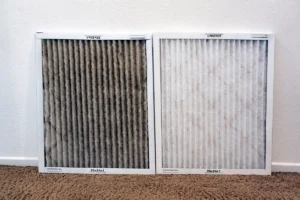
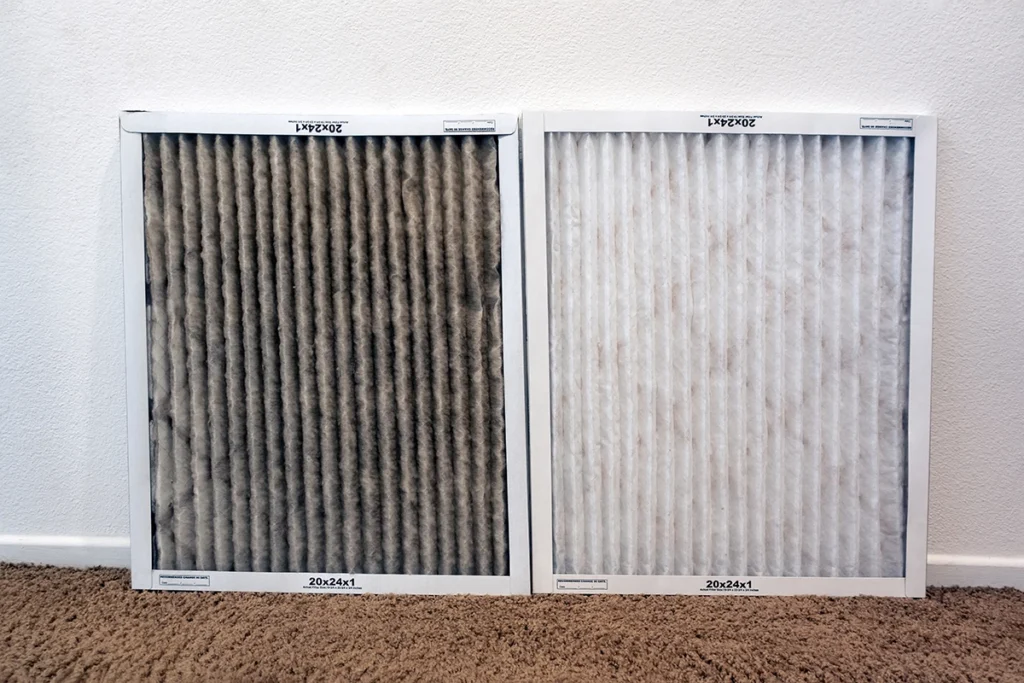
Although replacement schedules vary, most homes need new filters every one to three months. Higher MERV filters often need more frequent changes. Otherwise, resistance increases fast.
A clean filter always performs better than an overloaded “high-end” one.
MERV Ratings and Indoor Air Quality Expectations
It’s also important to set realistic expectations. Filters trap particles that pass through them. They don’t remove pollutants already settled in carpets, furniture, or ducts.
According to the EPA’s Guide to Air Cleaners in the Home, higher-efficiency filters can improve particle capture, but airflow and system compatibility still matter.
Seasonal Considerations for Air Filter MERV Rating Choices
Seasonal changes matter too. During wildfire seasons or high pollen months, homeowners sometimes upgrade filters temporarily. That can help, as long as airflow remains safe.
Strategic filter changes can support comfort without stressing equipment.
Final Thoughts on Air Filter MERV Ratings
So, what’s the takeaway? Air filter MERV rating matters, but balance matters more. The cleanest air comes from a system that breathes properly and stays maintained. At Sub Zero Temp Control, we help homeowners choose filters that protect health without sacrificing performance.
If you’re unsure which filter fits your system, contact us at Sub Zero Temp Control. A quick conversation often prevents long-term problems.
For homeowners in Vancouver, WA and the surrounding area, our team is here to help you choose the right filter and keep your system running smoothly.
Air Filter MERV Rating FAQs
Below are quick answers to common questions we hear from homeowners.
Most homes perform well with MERV 8–11 filters that balance airflow and filtration.
Yes, if the system isn’t designed for it. Restricted airflow can cause overheating or freezing.
It can help, but only when airflow and maintenance are properly managed.What air filter MERV rating is best for most homes?
Can a high air filter MERV rating damage my HVAC system?
Does a higher MERV rating improve allergies?