Most homeowners want reliable comfort all year, yet many don’t realize how much proper heat pump maintenance keeps their system steady. I see this every season at Sub Zero Temp Control. When a system struggles, it’s often because small issues went unnoticed. With the right routine, though, you can protect efficiency, prevent early wear, and avoid many surprise repairs. Although every setup is different, the fundamentals stay the same no matter where you live.
Why Heat Pump Maintenance Matters More Than Most People Realize
Heat pumps work through every season. Because of that, they operate under more strain than most traditional systems. When airflow drops or components start to wear, the system has to run harder and longer to keep up. This creates more wear, and it quietly raises energy costs. Even though these issues start small, they grow fast if no one checks the system regularly. Proper heat pump maintenance gives technicians a chance to correct concerns before they turn into breakdowns.
You can also explore our in-depth look at HVAC maintenance for a deeper view of system-wide care.
Essential Steps Homeowners Can Handle Between Tune-Ups
Even simple steps make a difference. Because heat pumps rely on clean airflow, these tasks support efficiency.
Replace the filter every 1–3 months
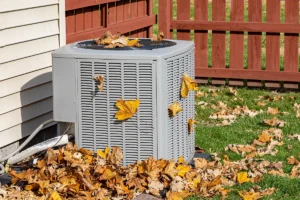
Keep two feet of space around the outdoor unit
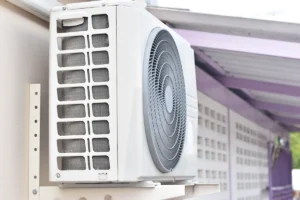
Remove leaves, pollen, or branches near the condenser
Keep vents open and clear
Check thermostat batteries
Listen for odd noises
These steps take minutes, yet they help prevent many airflow-related issues. And since airflow is a top factor in performance, anything that keeps air moving freely helps your heat pump stay consistent.
Professional Heat Pump Maintenance Tasks Technicians Perform
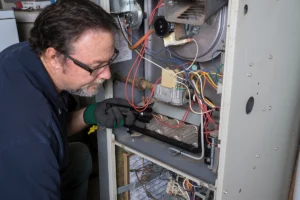
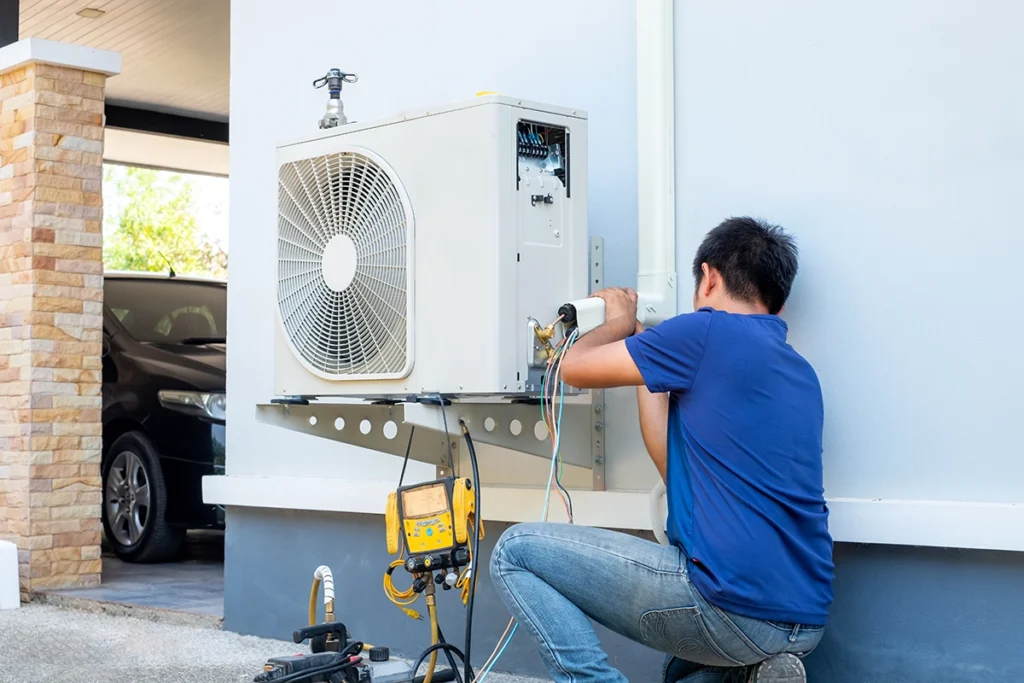
During a full tune-up, we check components most homeowners can’t safely access. We test electrical parts, verify airflow, clean indoor and outdoor coils, and check refrigerant levels. Although this sounds simple, it requires specialized tools. We also inspect the reversing valve, defrost cycle, and compressor behavior. These parts affect your comfort more than people realize.
You can see why heat pump maintenance matters once you understand how outages happen. Many failures start with low airflow, dirty coils, or weak capacitors. And these are problems we can usually catch early. For a deeper look at prevention, you can read our guide on how HVAC tuning helps prevent heat pump problems.
How Regular Maintenance Protects System Efficiency
Clean coils help improve heat transfer, and because heat pumps rely on this process, even thin dirt layers cause trouble. According to the U.S. Department of Energy’s home heating systems guidance, proper airflow and consistent thermostat settings help heating equipment perform more efficiently throughout the season.
Small adjustments also matter. When technicians confirm proper refrigerant levels and ensure the defrost cycle is operating as it should, it helps your heat pump maintain steady, efficient heating and cooling. That means shorter run times and fewer temperature swings.
Seasonal Tips to Keep Your Heat Pump Running Smoothly
Seasonal changes affect performance more than most homeowners expect. During spring and summer, pollen and plant growth build up quickly. During fall and winter, debris and frost can cause airflow issues. Because conditions shift in each region, small adjustments help your system handle changing demand.
The U.S. Department of Energy’s fall and winter energy-saving guidance explains how regular care—like keeping outdoor units clear and maintaining filters—supports steadier heating during colder months.
A quick seasonal routine helps: clear debris, trim vegetation, test both heating and cooling modes, and replace filters before heavy-use months. These small habits support long-term heat pump maintenance results.
Common Heat Pump Problems That Maintenance Helps Prevent
Over time, heat pumps face predictable issues:
Restricted airflow
Ice buildup
Short cycling
Weak heating or cooling
Thermostat misreads
Dirty coils
Because heat pumps work year-round, minor issues appear more often than with separate heating and cooling systems. Thankfully, many problems stay manageable when caught early. At Sub Zero Temp Control, we often spot the early warning signs before homeowners do. And if you use a ductless system, our mini split maintenance guide covers the additional care steps that keep those systems running smoothly.
When It’s Time to Call a Professional
You should reach out when your heat pump struggles to reach the set temperature, cycles too often, or makes unusual noises. Strange smells, ice buildup, or higher energy bills also signal trouble. When these symptoms appear, scheduling heat pump maintenance sooner rather than later helps prevent bigger issues.
Sub Zero Temp Control provides full diagnostics and repair for homeowners who need fast solutions. And if your system is aging or no longer performing well, you can explore the heat pump services we provide to decide whether repair or replacement is the better move.
Contact Sub Zero Temp Control
If your heat pump needs service, or you simply want dependable seasonal care, contact Sub Zero Temp Control. We proudly serve homeowners in Vancouver, WA and the surrounding areas with trusted maintenance, repair, and installation services.
Frequently Asked Questions About Heat Pump Maintenance
Below are quick answers to common homeowner questions.
Twice a year is ideal since heat pumps run in both heating and cooling seasons.
Short cycling, weak airflow, strange noises, or ice buildup all signal the need for a check.
Yes. Systems in cooler climates run longer, so routine care helps prevent strain.
You can replace filters, clear debris, and check vents. Everything else needs a technician.How often should I schedule heat pump maintenance?
What signs show my heat pump needs service early?
Does heat pump maintenance help in colder regions like Vancouver, WA?
Can I handle any heat pump maintenance myself?